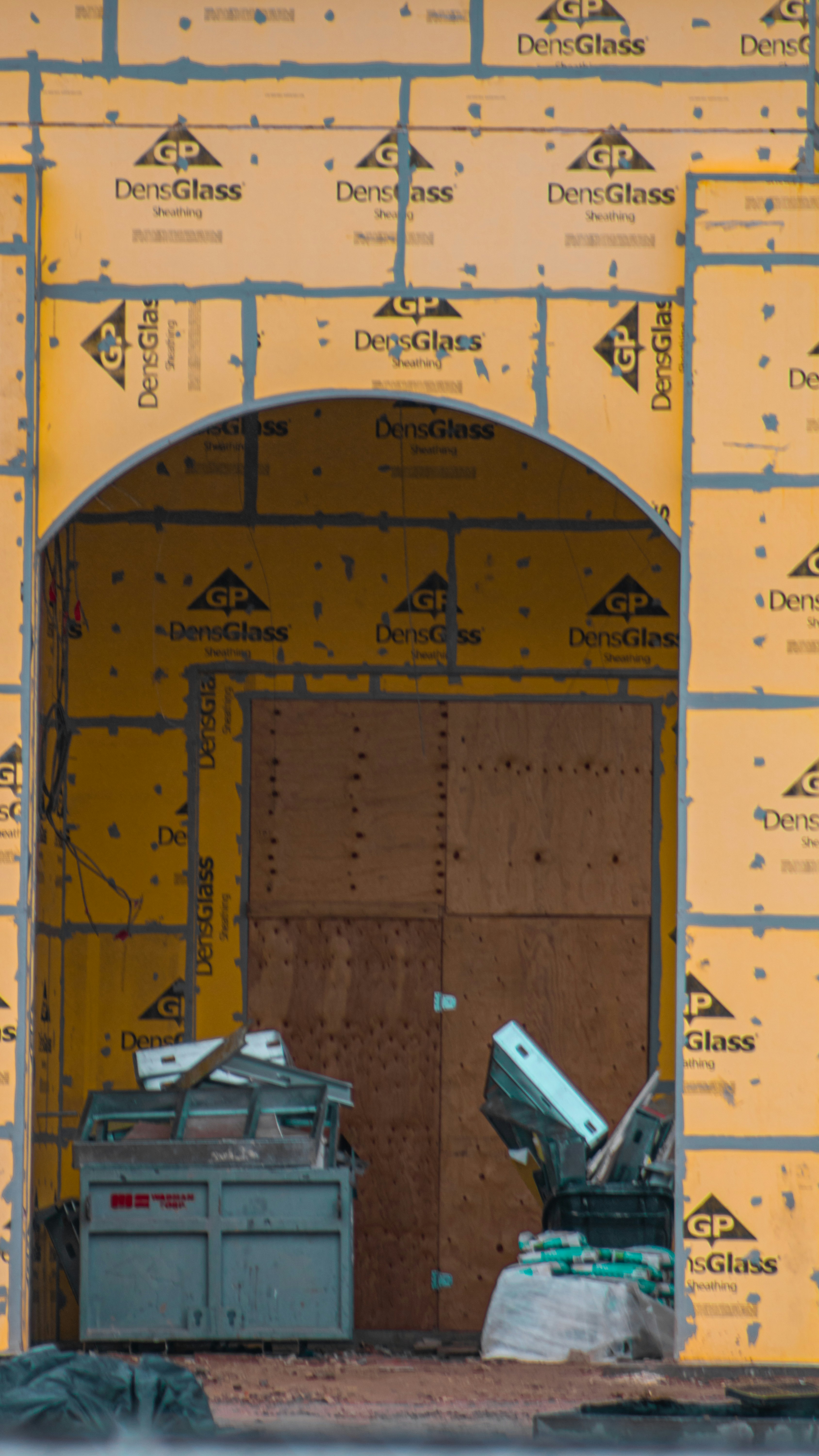
Introduction to Fiber Cement Boards
Fiber cement boards are innovative building materials predominantly used in the construction industry. They are composed of a mixture of cellulose fibers, cement, sand, and water. This composition not only ensures durability but also enhances resistance to various environmental factors, making fiber cement boards an excellent choice for exterior and interior applications.
The production process of fiber cement boards involves combining these materials, which are then formed into sheets through a process that typically includes pressing and curing. The result is a lightweight, strong material that can be easily cut and installed. The versatility of fiber cement boards allows them to be utilized in different formats, including cladding, ceiling panels, and flooring.
One of the key properties of fiber cement boards is their fire resistance. Unlike traditional materials, fiber cement does not contribute to the propagation of fire, which makes it ideal for use in areas that require high fire safety standards. Furthermore, these boards are impervious to pests, such as termites, and are resistant to moisture, ensuring longevity in various climatic conditions. Additionally, they can be finished in a variety of ways, including painting or sealing, offering aesthetic flexibility.
As the global demand for fiber cement boards surges, it reflects a significant shift in construction trends, highlighting an increased preference for sustainable and durable building materials. Market analysts project a robust growth in the fiber cement board sector due to heightened awareness regarding environmental issues. With the construction industry embracing green building practices, fiber cement boards present a promising opportunity characterized by advancements in technology and increasing applications across residential and commercial sectors.
Current Market Trends in Construction
The construction industry is currently experiencing a period of transformation driven by various factors including economic growth, urbanization, and a preference for sustainable building materials. These trends are shaping the demand for innovative solutions like fiber cement boards, which are becoming increasingly prevalent in modern construction practices.
Economic growth across several regions has led to increased investment in infrastructure and housing projects. This boost in economic activities not only escalates the demand for construction services but also stimulates competition among builders to utilize advanced materials. In this context, fiber cement boards are favored for their versatility, cost-effectiveness, and durability. The ability of these boards to withstand weather conditions and resist fire adds significant value to construction projects.
Urbanization is another significant trend impacting the construction market. A growing population in urban areas has heightened the need for efficient use of space and rapid construction methods. Fiber cement boards address these requirements effectively; they can be easily transported and installed, making them an ideal choice for urban developers. Furthermore, the light weight of these boards contributes to reduced structural loads, allowing for designs that maximize available space.
Moreover, there is a noteworthy trend toward sustainability within the construction sector. As environmental concerns gain prominence, builders are inclined to adopt materials that minimize ecological impact. Fiber cement boards, made from natural raw materials, align with this shift, offering a durable and sustainable alternative to traditional building materials. This increasing preference reflects a broader awareness of the environmental footprint of construction practices, ultimately fueling the growth of fiber cement board applications.
Overall, the construction industry is currently navigating significant shifts driven by economic, urban, and environmental factors. These elements contribute to a robust demand for fiber cement boards, signaling opportunities for manufacturers and builders alike.
Advantages of Fiber Cement Boards
Fiber cement boards offer a myriad of advantages that make them a preferred choice in the construction industry. Their remarkable resistance to fire, moisture, and pests is one of the most significant benefits. Unlike traditional materials that can be considerably affected by fire, fiber cement boards are non-combustible, making them ideal for applications requiring fire safety. This feature is increasingly vital as building codes and regulations tighten to ensure occupant safety, thus enhancing the demand for fire-resistant materials in modern construction projects.
Additionally, fiber cement boards exhibit exceptional moisture resistance, which helps prevent issues like mold and rot that can compromise structural integrity. This resilience is particularly advantageous in regions that experience high humidity or heavy rainfall. The material’s ability to withstand extreme weather conditions ensures longevity and reduces maintenance costs, contributing to its widespread popularity across various construction segments.
Moreover, fiber cement boards are resistant to pest infestations, such as termites and other wood-boring insects, which can be detrimental to traditional wood-based building materials. The durability of fiber cement boards not only extends their lifespan but also decreases the likelihood of repairs and replacements, offering long-term savings to property owners.
From an aesthetic standpoint, fiber cement boards provide versatility in design. They can be manufactured to mimic the appearance of wood, stone, or plaster while retaining their advantageous properties. This aesthetic flexibility enhances their appeal for architects and designers seeking innovative solutions that do not compromise on quality. As a result, you can find fiber cement boards utilized in a diverse array of projects, from residential homes to commercial buildings, reflecting their high demand across the construction landscape.
Applications of Fiber Cement Boards
Fiber cement boards are versatile building materials that find significant applications in various aspects of construction. These boards are increasingly used for cladding, roofing, flooring, and interior design due to their durability, resistance to moisture, and aesthetic appeal.
One of the primary applications of fiber cement boards is in external cladding. They are used for both residential and commercial buildings, providing not only a protective layer against weather elements but also enhancing the visual appeal of structures. For instance, a residential building in Australia successfully utilized fiber cement boards for its facade, which not only improved its insulation properties but also provided an attractive finish that blended seamlessly with the surrounding environment.
In addition to external cladding, fiber cement boards are also popular as roofing materials. Their lightweight nature, coupled with strong resistance to fire and rot, makes them an ideal choice for roofing applications in various climates. A notable case is a commercial complex that adopted fiber cement boards for roofing to achieve long-lasting performance while maintaining a modern look.
Furthermore, fiber cement boards are gaining traction in flooring applications. Their strength and durability allow them to withstand heavy loads and impact, making them suitable for high-traffic areas. For example, a recent construction project in a shopping mall utilized fiber cement boards for flooring in common areas, resulting in an easy-to-maintain surface that could endure significant wear and tear.
Lastly, fiber cement boards are also employed in interior design. They can be used for partitions or as decorative wall panels, adding a contemporary touch to indoor spaces. Their adaptability in terms of design makes them a preferred choice for architects and designers aiming for innovative interiors.
Challenges in Fiber Cement Board Production
The production of fiber cement boards is characterized by various challenges that can significantly influence both supply and pricing in the construction industry. One of the primary challenges faced is the sourcing of raw materials. Fiber cement boards are composed of cement, cellulose fibers, and additives, necessitating a reliable supply of these components. Fluctuations in the availability of these materials can lead to production delays and increased costs, ultimately affecting the pricing in markets dependent on these boards.
Moreover, the manufacturing complexities associated with fiber cement board production cannot be overlooked. The process requires highly specialized equipment and skilled labor to ensure that the boards meet quality standards. Maintaining consistency in product quality amidst variations in material properties and manufacturing conditions presents an ongoing challenge. Additionally, the energy-intensive nature of the manufacturing process raises concerns regarding operational costs and pricing strategies, particularly in regions where energy prices are volatile.
Environmental considerations are another significant challenge in the production of fiber cement boards. With increasing scrutiny on sustainability practices, manufacturers are pressured to adopt eco-friendly methods. This includes minimizing waste and reducing emissions during production. Implementing such measures often incurs additional costs that can be passed on to the consumer, thereby affecting pricing. Furthermore, compliance with various environmental regulations can create additional layers of complexity for producers, necessitating continuous investment in cleaner technologies.
In light of these challenges, the fiber cement board industry must navigate a complex landscape to maintain growth and meet the rising global demand for this versatile construction material. Addressing these issues effectively will be crucial for ensuring a stable supply chain and competitive pricing in the market.
Opportunities in Emerging Markets
The global demand for fiber cement boards is experiencing significant growth, particularly in emerging markets. Several factors are contributing to this surge, including infrastructure development, rapid population growth, and an increasing housing shortage. These markets present a substantial opportunity for construction companies and manufacturers of fiber cement boards.
Regions such as Asia-Pacific, Latin America, and parts of Africa are witnessing an unprecedented increase in construction activities driven by governmental initiatives focused on enhancing infrastructure. For instance, countries like India and Brazil are investing heavily in their transportation networks, schools, and healthcare facilities. Such investments create a burgeoning demand for durable, cost-effective building materials, including fiber cement boards.
Furthermore, the population growth in these areas leads to migration towards urban centers, resulting in a critical lack of adequate housing. As cities expand, there is an urgent need for sustainable materials to construct new residential buildings. Fiber cement boards are particularly suited for this purpose due to their favorable properties, such as resistance to moisture and pests, which are essential in varying climatic conditions.
Additionally, emerging markets are increasingly becoming more aware of the importance of sustainable construction practices. Fiber cement boards promote sustainability, as they are often made from natural resources and are designed to have a lower environmental impact compared to traditional materials. This alignment with green building practices enhances their appeal among developers and policymakers, further boosting demand.
To encapsulate the advantages offered by fiber cement boards, it is evident that emerging markets hold significant opportunities for both construction firms and manufacturers. The convergence of infrastructural investments, demographic changes, and sustainable building initiatives positions fiber cement boards as a favorable choice for meeting the evolving needs of these regions.
Sustainability and Environmental Considerations
The construction industry has increasingly shifted toward sustainable practices, and fiber cement boards have emerged as a compelling option within this movement. Their composition, typically made from natural materials such as cement, sand, and cellulose fibers, allows for a reduced environmental impact compared to many traditional building materials. One of the significant advantages of fiber cement boards is their potential for recycling. When these boards reach the end of their lifecycle, they can be repurposed or recycled, minimizing waste and contributing to a circular economy.
In terms of carbon footprint, fiber cement boards present a more environmentally friendly choice. They do not require the same energy-intensive processes as some conventional building materials, allowing for lower greenhouse gas emissions during production. Additionally, many manufacturers of fiber cement boards are incorporating eco-efficient practices into their operations, further reducing their environmental impact. This alignment with reduced carbon footprints resonates with the industry’s growing focus on sustainability.
Moreover, fiber cement boards frequently comply with various green building standards, such as LEED (Leadership in Energy and Environmental Design) and BREEAM (Building Research Establishment Environmental Assessment Method). These certifications are critical in modern construction, as they promote the selection of materials that contribute to sustainability goals. By adhering to strict environmental guidelines, fiber cement boards not only enhance the aesthetic quality of buildings but also assure stakeholders of their commitment to eco-friendly practices.
In light of the increasing demand for green construction materials, the use of fiber cement boards is expected to grow. Their sustainable characteristics, including recyclability and reduced carbon emissions, make them an attractive option for builders and developers looking to meet both environmental and regulatory standards. As the construction industry continues to prioritize sustainability, fiber cement boards will likely play a crucial role in shaping a greener future for building practices.
Future Trends for Fiber Cement Boards in Construction
The construction industry is experiencing a significant transformation, with fiber cement boards emerging as a prominent solution due to their durability and versatility. Looking ahead, several trends are expected to shape the future of fiber cement boards within this sector.
Firstly, technological advancements will play a crucial role in the evolution of fiber cement boards. Innovations in manufacturing processes are enhancing the quality and performance of these materials. For instance, the integration of digital technologies and automation in production lines is expected to improve efficiency, resulting in superior products. This not only reduces production costs but also contributes to enhanced environmental sustainability, aligning with global trends toward greener building practices.
Moreover, we are witnessing a shift in design preferences, as architects and builders increasingly value aesthetic appeal alongside functionality. Future fiber cement boards are anticipated to incorporate innovative designs that allow for greater customization and creativity. This trend will likely drive demand for textured and patterned boards, enabling a wider range of applications in both residential and commercial projects.
Consumer preferences are also poised to evolve, as an increasing number of property owners prioritize environmentally friendly materials. Fiber cement boards are recognized for their eco-friendly characteristics, being composed of natural and recycled materials. As awareness of climate change rises, consumers may increasingly favor building materials that contribute to energy efficiency and reduced carbon footprints.
In conclusion, the future of fiber cement boards in the construction industry appears to be promising, driven by technological advancements, innovative designs, and changing consumer preferences. These factors will not only enhance the market dynamics but also position fiber cement boards as a leading choice in sustainable construction solutions.
Conclusion: The Way Forward
In reviewing the remarkable potential of fiber cement boards within the construction industry, it is evident that these materials not only provide functional benefits but also align well with current sustainability trends. Initially recognized for their durability and fire resistance, fiber cement boards have increasingly gained traction among builders and architects as they seek to implement environmentally friendly solutions in modern construction projects.
The notable advantages of fiber cement boards include their resistance to water, termites, and mold, which positions them as an ideal choice for various climates and applications. Furthermore, the versatility in design allows for aesthetic appeal without compromising structural integrity. As stakeholders in the construction industry become more informed about the long-term cost-effectiveness and durability of fiber cement boards, the demand for these materials is poised to grow significantly.
Emerging markets, particularly in developing regions, signify a promising opportunity for fiber cement board manufacturers. As urbanization accelerates and infrastructure demands rise, these materials can play a pivotal role in meeting the building requirements while promoting sustainability. Additionally, advancements in production technologies and raw material availability are expected to further drive the adoption of fiber cement boards across a broader demographic of construction projects.
It is crucial for industry stakeholders—ranging from manufacturers to end-users—to recognize the potential of fiber cement boards and to stay informed about market trends and innovations. Partnership and collaboration among the various segments of the construction sector can lead to enhanced consumer awareness and increased integration of fiber cement boards into future developments. Overall, the outlook for fiber cement boards is promising, and as the industry evolves, embracing these materials could yield significant benefits and opportunities.