Introduction to Fiber Cement Boards
Fiber cement boards are a versatile and durable building material widely used in construction. These boards are primarily composed of a blend of cement, sand, cellulose fibers, and various additives that enhance their overall strength and performance. This unique composition gives fiber cement boards their distinctive properties, setting them apart from traditional building materials such as wood or regular cement boards.
In recent years, fiber cement boards have gained significant traction among global builders due to their myriad advantages. They provide excellent resistance to moisture, fire, and pests, making them particularly suitable for various climates and geographic settings. In addition, their ability to withstand harsh weather conditions without deteriorating empowers builders to use them in a wide range of applications, such as siding, roofing, and interior wall panels.
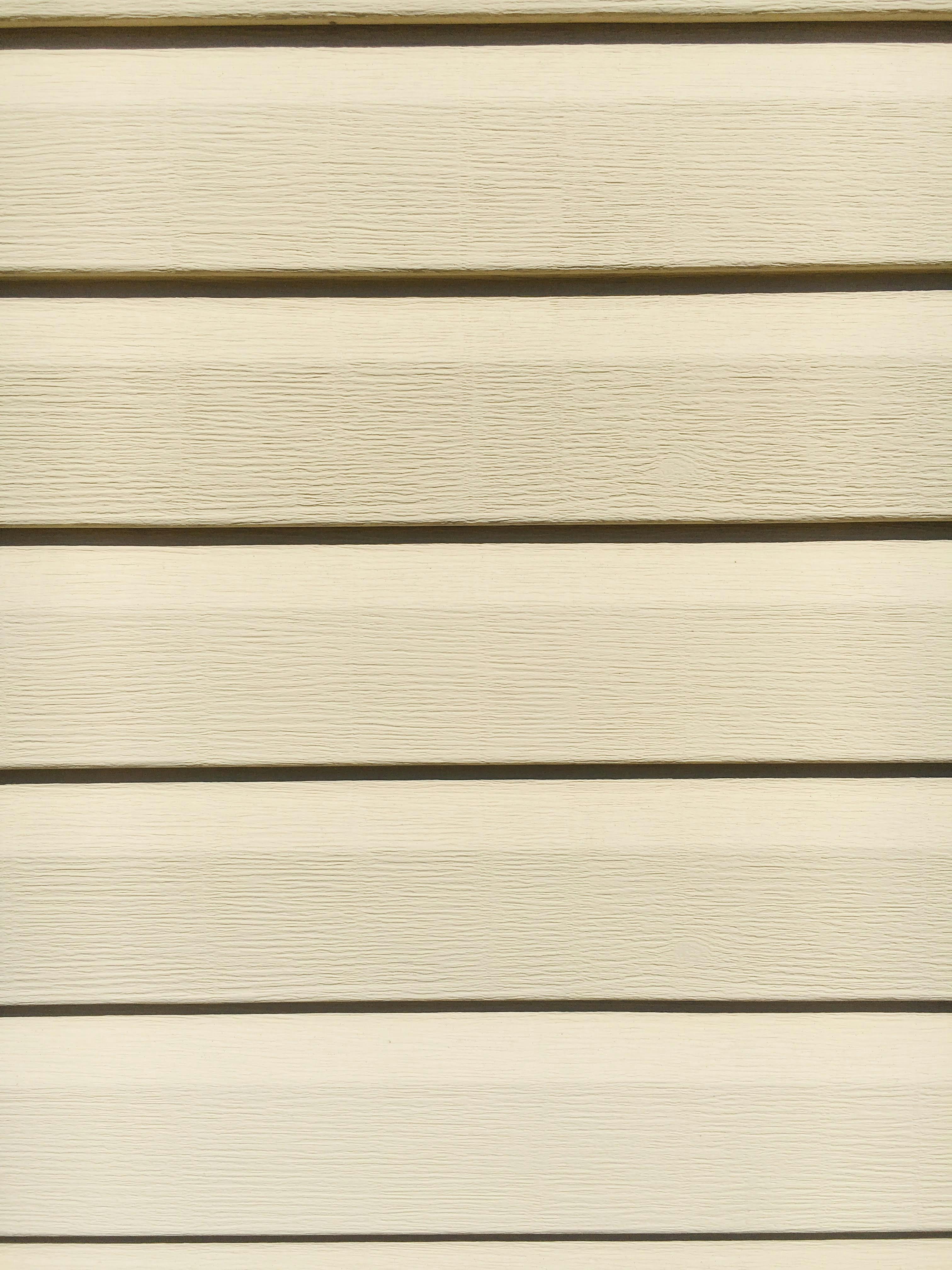
Construction professionals appreciate fiber cement boards not only for their durability but also for their aesthetic appeal. These boards can be produced to mimic the natural look of wood and stone, providing builders with attractive options that do not compromise on performance. Furthermore, they are available in various colors, sizes, and textures, enabling architects and designers to integrate them seamlessly into their projects.
As the demand for sustainable building materials grows, fiber cement boards have emerged as a popular choice. Their production methods typically involve the use of recycled materials, and their long lifespan contributes to reduced waste over time. This characteristic aligns well with the increasing emphasis on eco-friendly construction practices, further solidifying fiber cement boards as a preferred alternative in the global construction landscape.
Durability and Longevity
Fiber cement boards are increasingly favored by global builders for their remarkable durability and longevity, characteristics that set them apart from traditional building materials. One of the primary advantages of fiber cement boards is their exceptional resistance to a wide array of extreme weather conditions. Whether exposed to intense sunlight, heavy rainfall, or fluctuating temperatures, these boards are designed to maintain their structural integrity, ensuring that homes and buildings remain safe and sound over time.
Unlike wood or plastic materials, fiber cement boards do not warp, crack, or become brittle in adverse weather. Their composition features a unique blend of cement, cellulose fibers, and sand, which together create a highly resilient product. As such, builders discover that fiber cement offers not only physical durability but also an extended lifespan, making it a cost-effective choice for long-term construction projects.
Moreover, one of the key benefits of fiber cement boards is their resistance to rotting, pest infestation, and fire. Traditional materials, such as wood, are inherently prone to decay and damage from termites or other insects, which can pose significant risks to the longevity of a structure. In contrast, fiber cement boards stand as a robust barrier against such vulnerabilities, ensuring that any investment made in this material yields returns over many years.
In summary, the impressive durability and longevity of fiber cement boards provide builders with the confidence that their structures will withstand the test of time. With resistance to harsh environmental conditions, rotting, and pests, these boards prove to be a wise investment for any construction project, safeguarding the integrity and appearance of buildings for years to come.
Fire Resistance
Fiber cement boards exhibit exceptional fire-resistant properties that make them an increasingly popular choice among global builders. Unlike traditional wood-based materials, which can ignite and contribute to the spread of flames, fiber cement boards are non-combustible and can withstand high temperatures. This resistance to fire not only enhances the safety of buildings but also plays a significant role in mitigating the risk of fire-related incidents. The importance of fire safety in construction cannot be overstated, particularly in regions prone to wildfires or where strict building regulations are enforced.
Moreover, the incorporation of fiber cement boards can lead to reduced insurance costs for property owners and builders. Insurance companies often offer lower premiums for structures that utilize fire-resistant materials, as these buildings are less likely to suffer catastrophic damage in the event of a fire. This financial incentive is an attractive benefit for developers seeking to maximize their investment while ensuring the safety of occupants.
Furthermore, adherence to international building codes is another critical aspect of using fiber cement boards. Many regulatory frameworks mandate the use of non-combustible materials in the construction of commercial and residential buildings. By integrating fiber cement boards, builders can ensure compliance with these codes, reducing the risk of legal issues and ensuring a smoother approval process. Their ability to adhere to stringent safety standards makes fiber cement boards a reliable choice, enhancing the overall integrity and durability of the construction project.
Versatile Aesthetic Appeal
Fiber cement boards have gained immense popularity among global builders, not only for their durability but also for their remarkable aesthetic flexibility. This material offers an impressive array of textures, colors, and styles, making it an ideal choice for various architectural designs. Builders and architects can select from smooth finishes, wood-like appearances, or even rough-textured options, enabling them to create unique visual compositions that align with their specific design preferences.
Moreover, the color options for fiber cement boards are expansive. They are available in pre-finished shades, eliminating the need for painting soon after installation, which can often save time and additional costs. This wide palette ensures that builders can match the boards with surrounding elements such as brickwork, stones, or other materials to achieve a cohesive look. Whether for residential homes or commercial structures, fiber cement boards can mimic the look of more traditional materials while offering enhanced functionality.
In addition to the wide range of textures and colors, fiber cement boards also accommodate modern architectural trends. For instance, many contemporary designs call for a minimalist aesthetic, where clean lines and simple forms dominate. Fiber cement boards can effectively fulfill such demands and seamlessly integrate into modern structures without compromising on style. This adaptability is vital as it allows builders to cater to various tastes, from rustic to ultra-modern.
In essence, the aesthetic versatility of fiber cement boards not only ensures a striking external appearance but also helps builders meet diverse client needs while offering longevity and resilience. It is this combination of visual appeal and practical benefits that makes fiber cement boards a compelling choice for global construction projects.
Eco-Friendliness and Sustainability
Fiber cement boards have gained recognition in recent years as a material that embodies eco-friendliness and sustainability, making them a preferred choice for global builders committed to environmentally responsible construction. Unlike traditional building materials, fiber cement boards are composed of sustainable resources, primarily cellulose fibers, cement, and sand. This composition not only reduces dependence on non-renewable materials but also promotes the responsible use of earth’s resources.
One of the key eco-friendly aspects of fiber cement boards is their recyclability. At the end of their lifespan, these boards can be repurposed instead of ending up in landfills, effectively minimizing waste during the construction and demolition processes. This feature aligns with the principles of a circular economy, where materials are kept in use for as long as possible, thus reducing the overall environmental impact of building practices.
Additionally, the energy consumption during the manufacturing process of fiber cement boards is significantly lower compared to that of many conventional building materials such as steel or concrete. This reduced energy footprint translates into lower greenhouse gas emissions, further highlighting the benefits of selecting fiber cement boards for environmentally-conscious construction projects. Moreover, the durability and longevity of fiber cement boards reduce the need for frequent replacements and repairs, which contributes to their sustainability credentials.
Overall, the commitment to eco-friendly construction through the use of fiber cement boards not only meets modern building standards but also caters to the growing demand for sustainable products in the construction industry. By prioritizing materials that effectively balance functionality and environmental responsibility, builders can support initiatives aimed at conservation and sustainability, ultimately contributing to a healthier planet.
Cost-Effectiveness
Fiber cement boards have emerged as a cost-effective building material favored by global builders for various reasons. One of the primary advantages of fiber cement boards is their low maintenance costs. Unlike traditional materials such as wood or vinyl, which often require frequent painting, sealing, or replacement due to damage from weather or insects, fiber cement boards offer enhanced durability and resistance to the elements. This resilience translates to reduced maintenance efforts and expenses over time, making fiber cement boards an economically sound choice.
Furthermore, the installation of fiber cement boards can lead to lower labor expenses. Their lightweight nature means that they can be handled more easily compared to heavier materials like brick or solid concrete. This facilitates quicker installation processes, which can significantly decrease labor costs in construction projects. Additionally, fewer onsite adjustments and corrections are typically necessary, allowing teams to complete projects more efficiently. Over the lifespan of a building, these reduced labor needs contribute positively to the overall cost-effectiveness of using fiber cement boards.
Another critical factor that supports the economic advantages of fiber cement boards is their extended lifespan. Manufactured to withstand harsh conditions, fiber cement boards boast an impressive longevity, often outlasting conventional materials by many years. While the initial investment in fiber cement boards may be higher than that of some other materials, their durability ensures that they remain a reliable option that requires less frequent replacement. In the long run, this results in significant savings, positioning fiber cement boards as an excellent long-term investment for builders looking to balance upfront costs with future maintenance and replacement considerations.
Improved Workability and Installation
Fiber cement boards are favored by builders worldwide due to their exceptional workability, which significantly enhances the efficiency of construction projects. One of the primary advantages of these boards is their lightweight nature. Compared to traditional materials such as plywood or solid cement boards, fiber cement boards are much lighter, making them easier to handle during the installation process. This aspect not only simplifies transportation but also enables workers to maneuver the boards with minimal effort, significantly speeding up the overall installation time.
Another crucial factor contributing to the improved workability of fiber cement boards is their ease of cutting. Unlike many conventional building materials that require specialized tools and considerable time to shape and fit, fiber cement boards can be easily cut with standard power tools. This adaptability allows for quick adjustments on-site, accommodating any design changes or complications that may arise during installation. The precision cutting capabilities ensure that pieces fit seamlessly, minimizing gaps and enhancing the overall aesthetic of the finished project.
Furthermore, the reduced labor time associated with the installation of fiber cement boards adds to their appeal. Builders can complete projects more quickly without compromising on quality or durability, which is crucial in today’s fast-paced construction environment. This efficiency not only benefits the project timeline but also reduces labor costs, allowing builders to allocate resources more effectively.
In conclusion, the improved workability of fiber cement boards, characterized by their lightweight nature, ease of cutting, and reduced labor time, makes them a preferred choice among global builders, enhancing both construction efficiency and project outcomes.
Global Trends in Construction Materials
In recent years, the construction industry has witnessed a significant shift toward innovative and sustainable building materials. As global environmental concerns intensify, builders and construction firms have prioritized materials that not only meet performance standards but also align with green building principles. Fiber cement boards have emerged as frontrunners in this evolving landscape, representing a convergence of durability, aesthetic versatility, and sustainability.
The use of fiber cement boards is often driven by their exceptional attributes. They are composed of a blend of cellulose fibers, sand, and cement, offering a robust alternative to traditional materials like wood and vinyl. This composition significantly enhances the lifespan of buildings, thus promoting long-term sustainability. Furthermore, fiber cement boards are resistant to common issues such as rot, termites, and water damage. This resistance eliminates the need for frequent replacements, which can lead to greater waste and resource consumption.
Beyond their durability, fiber cement boards offer design flexibility, allowing architects and builders to create unique and appealing structures. The ability to mimic the appearance of traditional materials while benefitting from superior performance has made this product increasingly popular in residential and commercial applications. In cities and regions that are actively pursuing eco-friendly construction solutions, the adoption of fiber cement boards showcases an impressive commitment to innovation.
As urban environments become denser, there is a growing need for materials that can withstand extreme weather conditions and provide thermal efficiency. Fiber cement boards respond effectively to these demands, enhancing building energy performance while ensuring compliance with stringent building codes and regulations. As the construction industry continues to evolve, fiber cement boards are well positioned to play a pivotal role in shaping the future of sustainable building practices.
Conclusion: The Future of Fiber Cement Boards in Construction
As we reflect on the numerous advantages of fiber cement boards, it becomes evident that these materials hold a significant place in the future of construction. Their resistance to environmental influences such as moisture, fire, and pests demonstrates their superior durability compared to traditional materials. This resilience is paramount as modern construction increasingly requires elements that not only meet safety standards but also offer longevity and adaptability in various climatic conditions.
Furthermore, the aesthetic versatility of fiber cement boards allows for a wide range of applications, catering to both functional and design-oriented needs. Builders can achieve a pleasing visual appeal while benefitting from the strength and practicality of these boards. The ease of installation is another factor that enhances their suitability for contemporary projects, streamlining construction timelines and reducing labor costs.
Moreover, the sustainable attributes associated with fiber cement boards, such as their minimal environmental impact and recyclability, align well with the global trend towards greener building practices. As the construction industry shifts towards sustainable solutions, fiber cement boards could emerge as a favored choice for builders looking to meet the increasing demand for eco-friendly materials.
In conclusion, the future of fiber cement boards in construction appears bright. As builders continue to seek innovative materials that combine performance, aesthetics, and sustainability, fiber cement boards will play an integral role in shaping the modern construction landscape. The advantages highlighted throughout this discussion underline their significance as a building solution, encouraging a shift toward their widespread use in various construction projects worldwide.