
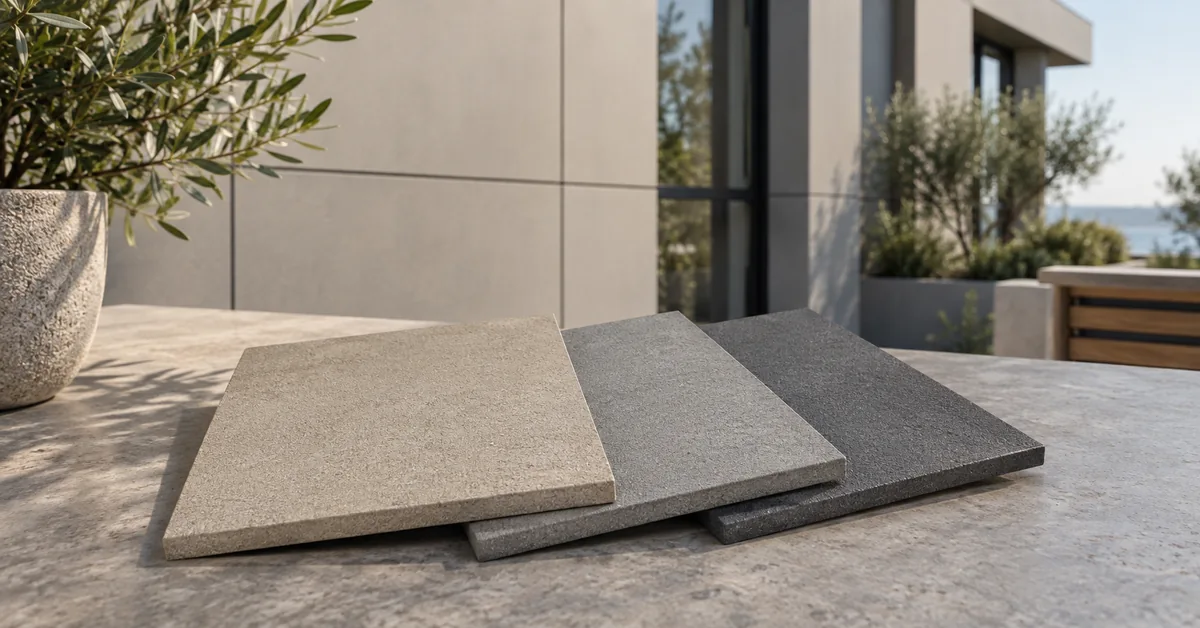
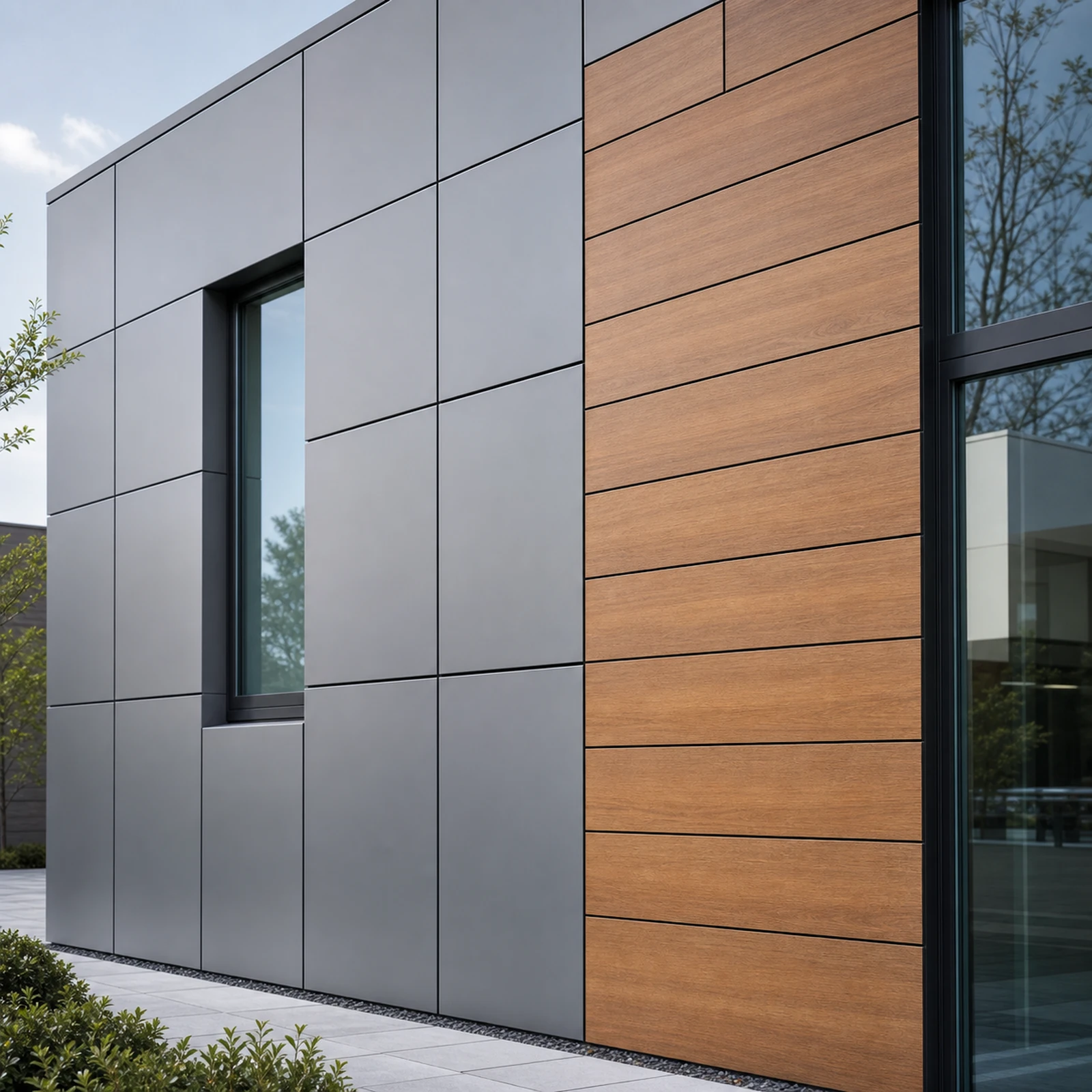
Color is often approved early in a facade project but inspected only after hundreds of panels have reached the site. That gap creates avoidable disputes. Digital renderings, small samples, production panels and installed elevations can look different because of lighting, surface texture, panel direction and batch conditions. For overseas buyers, architects and contractors, a documented approval process is therefore as important as choosing the color itself.
This guide explains eight practical ways to control fiber cement cladding color variation from quotation through installation. It does not replace the manufacturer’s product-specific finish data or the project’s acceptance criteria. Instead, it gives procurement teams a clear framework for agreeing what will be supplied, what evidence will be reviewed and how panels will be traced.
Why Color Control Must Begin Before the Purchase Order
A color name is not a complete finish specification. Terms such as warm grey, charcoal or natural cement can describe a wide visual range. Even a color reference may be incomplete if it does not identify the coating system, gloss level, texture, edge finish, panel orientation and approved physical sample.
The buyer should turn the design intent into a controlled finish schedule before pricing is finalized. This makes supplier quotations comparable and reduces late changes. Buyers evaluating our coloured fiber cement boards should request current product data, available finish options and a project sample rather than relying on screen images alone.
8 Practical Checks for Consistent Facade Appearance
1. Create a Clear Sample Hierarchy
Define which reference controls the final decision. A useful hierarchy separates four items: a digital reference for early design discussion, a small physical sample for shortlist approval, a production-sized control sample and an installed mock-up for final visual review. Record the date, finish code, substrate, texture and approving party on every retained sample.
The purchase order should state which signed sample is the contractual reference. Without this step, different teams may compare the delivered panels with different images or outdated samples.
2. Approve Samples Under Agreed Viewing Conditions
Color perception changes with daylight, artificial lighting, viewing distance, angle and surrounding materials. Review the control sample in conditions that resemble the completed elevation. For an exterior facade, examine it outdoors at more than one time of day and from the intended viewing distance. Place adjacent materials, such as metal trims, glazing or stone, beside the panel where possible.
Record the viewing method in the approval note. The goal is not to claim that every observer will see an identical color; it is to create a repeatable and fair inspection process.
3. Lock the Complete Finish Specification
The finish schedule should include more than a color code. Confirm the panel product, nominal thickness, dimensions, surface texture, coating family, gloss or sheen category, exposed-edge treatment, perforation or machining requirements and protective film where applicable. Also state whether cut edges require a compatible site-applied treatment.
For projects comparing multiple facade products, review the broader exterior cladding systems category and issue one finish schedule for each selected product. A finish approved on one panel type should not automatically be assumed to apply to another substrate or surface.
4. Control Production Lots and Retain Traceable Samples
Ask the supplier how production lots are identified and how lot information appears on pallet and package labels. Large elevations should, where practical, be supplied from a coordinated production run. When several lots are unavoidable, the packing list should identify quantities by lot so the site team can plan their use.
Request a retained sample from each approved production lot. The sample should be linked to the order, lot and finish code. If a concern appears later, this record helps the buyer, supplier and installer compare like with like instead of relying on photographs taken under different conditions.
5. Map Panels to Elevations Before Installation
Translate pallet labels into an elevation plan. The plan can identify facade zone, level, grid line, pallet number and production lot. Installers should avoid scattering unreviewed lots randomly across one prominent elevation. If controlled blending is part of the agreed appearance, define the method on the mock-up and repeat it consistently.
Panel direction also matters for directional textures or finishes. Mark a common installation orientation on drawings, labels or the panel reverse. Our guide to safe fiber cement cladding system checks covers the separate structural coordination needed for support rails, fasteners, joints and movement.
6. Protect Finished Faces During Shipping and Storage
Appearance control continues after factory inspection. Confirm separator sheets, face protection, corner protection, pallet wrapping and moisture management before shipment. Packages should remain supported, dry, ventilated as required by the supplier and protected from site contamination. Do not drag panels across finished faces.
Before installation, inspect a small number of panels from each pallet under consistent light. Quarantine packages showing transit damage, staining or label loss. Keep the original labels with the inspection record so any issue remains traceable.
7. Approve Cleaning, Touch-Up and Replacement Procedures
Unapproved cleaners, abrasive pads or improvised touch-up coatings can create a more visible difference than the original mark. Obtain the supplier’s written cleaning and repair guidance before work begins. Test any cleaning method on an offcut or concealed area and allow it to dry before evaluating the result.
Agree which defects may be cleaned or repaired and which require panel replacement. For visible elevations, a site-applied touch-up may differ in sheen or texture from a factory finish. The architect or buyer should approve the method and acceptance area before widespread use.
8. Order Replacement Stock and Manage Change Control
Replacement panels ordered months or years later may not be visually identical to the original production lot. Include a project-specific quantity of spare panels in the initial order, based on facade complexity, machining and maintenance strategy. Store them correctly with clear finish and lot labels.
If the finish, supplier, coating or panel specification changes after approval, restart the relevant sample and mock-up checks. A written change log should identify the reason, affected elevations, new reference sample and approval date. This protects both the buyer and the manufacturer from undocumented substitutions.
Technical Finish Approval Schedule for B2B Buyers
Use the following checklist in the request for quotation and pre-production meeting. The values and tolerances must come from the selected product data, agreed sample and project requirements.
| Control item | What the buyer should specify | Evidence to request |
|---|---|---|
| Panel identity | Product, thickness, format and intended application | Datasheet and approved order schedule |
| Finish identity | Color code, coating, texture, sheen and edge finish | Signed physical control sample |
| Visual review | Viewing distance, lighting conditions and adjacent materials | Dated approval note and mock-up photos |
| Production control | Coordinated lot strategy and permitted substitutions | Pre-production confirmation and lot records |
| Packing traceability | Finish, lot, pallet and quantity identification | Label sample and packing list |
| Installation control | Panel direction, elevation zones and any blending method | Elevation map and approved mock-up |
| Aftercare | Cleaning, repair and replacement rules | Supplier instructions and spare-stock register |
A Four-Stage Approval Workflow
Before Quotation
Send the elevation concept, expected panel sizes, approximate area, color references, texture, project location and performance requirements. Ask suppliers to identify exclusions and the sample lead time. Read our B2B selection guide for export facade projects when preparing a comparable technical inquiry.
Before Production
Approve the physical sample and, for visually sensitive projects, a representative mock-up. Freeze the finish schedule, drawing revision and packing-label format. Confirm how deviations or production changes will be reported before manufacturing continues.
Before Shipment
Review quantity and lot information, inspection photographs, package labels and the final packing list. Where an independent inspection is required, define the sampling plan and visual acceptance method before the inspector arrives.
During Installation and Handover
Check labels against the elevation map, maintain panel orientation and inspect completed zones at agreed intervals. Record approved cleaning or replacements. At handover, store the retained sample, spare-panel register and maintenance instructions with the project documents.
Common Procurement Mistakes to Avoid
- Approving a finish only from a website image or PDF rendering.
- Using a color code without identifying texture, sheen and edge treatment.
- Mixing production lots on a prominent elevation without an approved plan.
- Removing labels before panels are mapped and inspected.
- Applying cleaners or touch-up paint without a test area and written guidance.
- Ordering no spare panels for future repairs.
FAQ: Fiber Cement Cladding Color Control
Can a digital image be used as the final color standard?
No. Screens, cameras and document settings reproduce color differently. Use digital images for communication, then approve a clearly identified physical sample and, when appearance is critical, a representative site mock-up.
Should panels from different production lots be rejected automatically?
Not automatically. The project should define an agreed visual review and the supplier should provide traceability. Different lots may need separation by elevation or controlled blending, depending on the finish and the approved mock-up.
Does panel orientation affect the finished appearance?
It can. Directional textures, sanding patterns or coatings may reflect light differently when panels are rotated. Confirm whether the selected product has a required lay direction and mark it consistently on installation information.
How should buyers inspect color before shipment?
Inspect samples linked to the production lots, confirm labels and packing records, and compare under agreed conditions. Photographs are useful records but should not be the only color reference because camera and lighting settings can alter appearance.
How much spare cladding should a project order?
There is no universal percentage. Base the quantity on facade area, panel formats, special machining, likely maintenance access and the difficulty of reproducing the finish later. Agree the spare-stock quantity during procurement and store it under the supplier’s recommended conditions.
Prepare a More Comparable Cladding RFQ
A disciplined color-control process makes design approvals clearer, factory records more useful and site installation easier to manage. Include the finish schedule, sample hierarchy, lot-label requirements, elevation plan and replacement strategy in the same procurement package as structural and performance requirements.
For project samples, finish options and export packing information, contact Shijiazhuang Mainland with your facade area, panel size, color reference, destination port and expected installation schedule.